How to Spot Gutter Damage Before It Becomes a Costly Repair
Your roof is one of the most important — and most expensive — components of your home. Most homeowners don’t think much about it until something goes wrong, but by then, the damage is often already done. Understanding how long your roof is expected to last based on the material it’s made from gives you a critical planning advantage: you can start budgeting for replacement before you’re forced into it by an emergency.
At Swiftguard Enterprises LLC, we’ve worked on roofs of every type throughout Oak Lawn, IL and the surrounding Chicagoland area. Here’s what you need to know about the lifespan of the most common roofing materials — and when it’s time to start planning ahead.
Asphalt shingles are by far the most common roofing material in the United States, and for good reason — they offer a solid balance of affordability, durability, and availability in a wide range of styles and colors.
In Illinois, the freeze-thaw cycles, heavy snowfall, and summer heat all accelerate wear on asphalt shingles. Homes in Oak Lawn, IL with asphalt roofs that are approaching the 20-year mark should have a professional inspection to assess remaining lifespan and begin budgeting for replacement.
When to start budgeting: 3–5 years before the end of the expected lifespan, or around year 17–20 for standard shingles.
Metal roofing has grown significantly in popularity over the past decade, and it’s easy to see why. It outperforms asphalt in almost every durability category and holds up exceptionally well in the demanding Midwest climate.
The higher upfront cost of metal roofing is often offset by its significantly longer lifespan and lower maintenance requirements over time.
When to start budgeting: Around year 35–40 for steel/aluminum, or year 45–50 for standing seam systems.
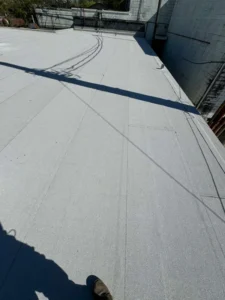
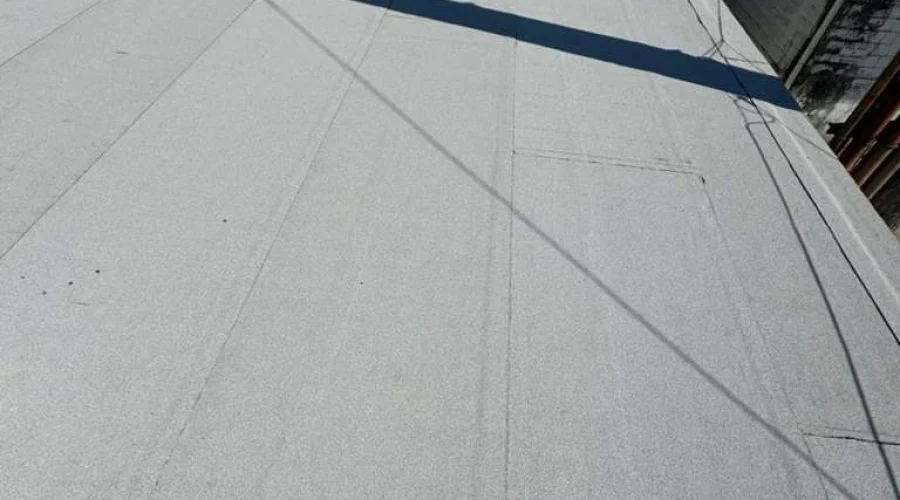
Flat roofs are common on commercial buildings, additions, and some residential structures throughout the Chicagoland area. The lifespan varies depending on the membrane type used.
For Oak Lawn homeowners or property owners with flat roof sections, annual inspections are strongly recommended to catch membrane wear, seam separation, or drainage issues early.
When to start budgeting: 3–5 years before the material’s expected end of life, with annual inspections throughout.
Wood shingles and shakes offer a natural, classic aesthetic and can perform well when properly maintained — but they require more upkeep than other materials, especially in a climate like Illinois.
When to start budgeting: Around year 15–18, particularly if the roof shows signs of moss, dark staining, or cracking.
Tile roofing is less common in the Chicago area than in warmer climates, but it does appear on certain architectural styles throughout the region.
When to start budgeting: Focus on underlayment replacement at the 20–25 year mark even if tiles are still in good condition.
Natural slate is the longest-lasting roofing material available, with properly installed slate roofs known to last well over a century. It’s also one of the most expensive options, both in material and installation.
When to start budgeting: Natural slate rarely needs full replacement within a homeowner’s lifetime, but inspections every 10 years are recommended to address individual broken slates and flashing issues.
Regardless of material, several factors influence how long your specific roof will last:
The biggest mistake homeowners make is waiting until their roof fails before thinking about replacement. A roof that has reached the end of its lifespan doesn’t just leak — it can allow water damage, mold, and structural issues to develop throughout your home before the problem becomes visible from the inside.
Knowing your roof’s material and approximate age puts you in control. A professional inspection gives you a clear picture of where your roof stands today and how many years of useful life remain — so you can plan and budget on your terms, not in response to an emergency.
At Swiftguard Enterprises LLC, we provide thorough roof inspections and replacement services for homeowners throughout Oak Lawn, IL and up to 60 miles surrounding the area. Whether your roof is approaching the end of its lifespan or you just want to know where you stand, we’re here to give you an honest assessment.
Schedule your roof inspection today. Contact Swiftguard Enterprises LLC today and take the guesswork out of planning for your next roof.

With 15 years of experience, we are committed to delivering high-quality workmanship, dependable service, and long-lasting results.
We don’t just build and repair — we protect what matters most.