Your roof is constantly exposed to the elements, making it one of the most vulnerable parts of your home. Over time, different weather conditions can weaken roofing materials, reduce efficiency, and lead to costly repairs if not properly maintained.
Understanding how weather affects your roof helps you take preventive measures and extend its lifespan.
Sun Exposure and Heat Damage
Prolonged exposure to sunlight and high temperatures can cause roofing materials to deteriorate faster. UV rays break down shingles, causing them to crack, fade, and lose their protective properties. Heat can also lead to expansion and contraction, weakening the structural integrity over time.
- Continuous UV exposure dries out roofing materials and reduces flexibility.
- High temperatures accelerate aging and can cause shingles to warp or curl.
Regular inspections and proper ventilation help minimize heat-related damage and keep your roof in optimal condition.
Rain, Moisture, and Water Damage
Rain and moisture are among the most common causes of roof deterioration. When water seeps into small cracks or damaged areas, it can lead to leaks, mold growth, and structural issues within your home.
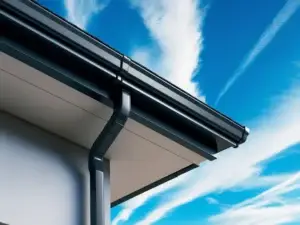
- Poor drainage systems increase the risk of water pooling and leaks.
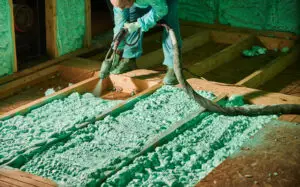
- Moisture buildup can weaken insulation and promote mold development.
Ensuring your gutters and drainage systems are functioning properly is essential to protect your roof from water damage.
Wind and Storm Impact
Strong winds and severe storms can cause immediate and visible damage to your roof. Shingles may loosen or detach, and debris carried by the wind can create impact damage.
- High winds can lift or remove roofing materials.
- Storm debris can puncture or weaken the roof surface.
After any major storm, it’s important to inspect your roof or hire professionals to assess potential damage.
Cold Weather and Temperature Changes
Cold climates bring their own set of challenges. Freezing temperatures can make roofing materials brittle, while repeated freeze-thaw cycles can cause cracks and expansion damage.
- Ice buildup can lead to water backing up under shingles.
- Temperature fluctuations create stress on roofing materials.
Proper insulation and attic ventilation play a key role in preventing cold-weather damage.
Why Regular Roof Inspections Matter
Routine inspections are the best way to identify early signs of weather-related damage. Addressing small issues before they escalate can save you significant time and money in the long run.
A professional roofing inspection ensures your roof remains strong, safe, and ready to withstand changing weather conditions.
Final Thoughts
Weather conditions can have a significant impact on your roof over time, but with proper care and maintenance, you can extend its lifespan and avoid costly repairs. Staying proactive and scheduling regular inspections will help protect your investment and keep your home safe year-round.