How to Spot Gutter Damage Before It Becomes a Costly Repair
When it comes to keeping your home comfortable and your energy bills under control in Oak Lawn, IL, insulation is one of the most important investments you can make. But not all insulation is created equal — and choosing the wrong type for your home can mean paying more to heat and cool it than you should.
Two of the most common options homeowners ask about are spray foam and fiberglass insulation. Both work, but they perform very differently in the kind of climate Illinois dishes out. At Swiftguard Enterprises LLC, we help homeowners throughout Oak Lawn and the surrounding Chicagoland area make this decision every day. Here’s what you need to know.
Fiberglass insulation is the pink or yellow fluffy material most people picture when they think of home insulation. It’s made from extremely fine glass fibers and is one of the most widely used insulation materials in the U.S.
It comes in two main forms:
Fiberglass is affordable, widely available, and effective when installed correctly in the right areas of the home.
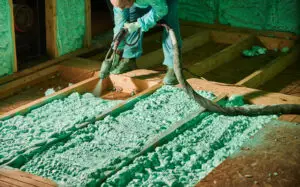
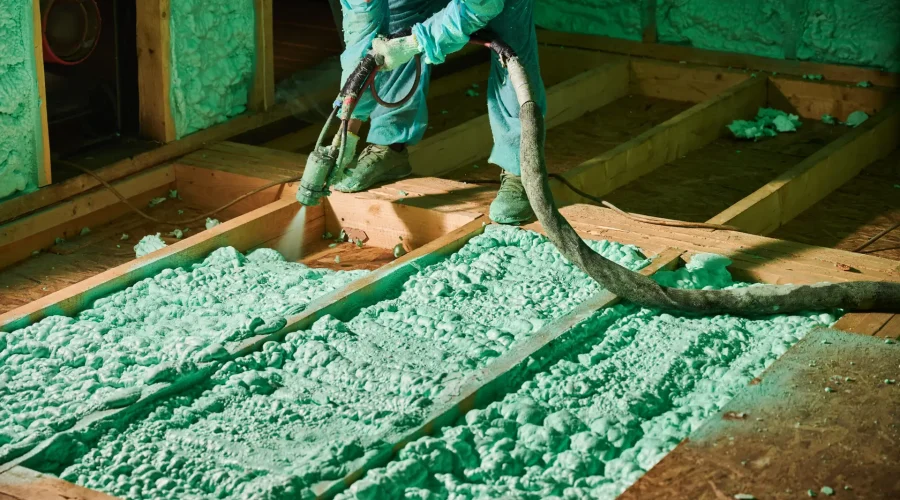
Spray foam insulation is applied as a liquid that expands and hardens into a solid foam. It comes in two types:
Spray foam is more expensive than fiberglass, but it offers performance advantages that make it a strong choice for specific situations.
R-value measures how effectively insulation resists heat transfer. The higher the R-value, the better the insulation performs. In Illinois, the U.S. Department of Energy recommends attic insulation of R-49 to R-60 for most homes.
Closed-cell spray foam delivers the highest R-value per inch, which matters when you have limited space to work with, such as in wall cavities or a shallow attic.
R-value alone doesn’t tell the full story. One of the biggest sources of energy loss in Illinois homes isn’t inadequate insulation — it’s air leaks. Cold air infiltrating around gaps, cracks, outlets, pipes, and attic hatches can undermine even well-insulated walls and ceilings.
This is one of spray foam’s most significant advantages in the Chicago area, where winter wind and cold temperatures relentlessly find every gap in a home’s envelope.
Illinois humidity and freeze-thaw cycles mean moisture management matters as much as temperature control.
Budget is a real factor for most homeowners, and fiberglass and spray foam differ significantly in cost.
However, spray foam’s superior air sealing and higher R-value per inch often translate to greater long-term energy savings, which can offset the higher initial investment over time, especially in an energy-intensive climate like Illinois.
The best choice depends on where you’re insulating, your budget, and your home’s specific needs.
Fiberglass is a strong choice when:
Spray foam is the better option when:
Many Oak Lawn homeowners end up with a combination — spray foam in high-priority areas like rim joists and attic hatches, and blown-in fiberglass for the broader attic floor — which delivers strong performance while keeping costs manageable.
Not sure if your current insulation is keeping up? Watch for these warning signs:
If any of these sound familiar, a professional insulation assessment can identify exactly where your home is losing energy and which solution makes the most sense.
At Swiftguard Enterprises LLC, we assess your home’s existing insulation, identify gaps and inefficiencies, and recommend the right solution — whether that’s fiberglass, spray foam, or a combination of both. We serve homeowners throughout Oak Lawn, IL and up to 60 miles surrounding the area.
Ready to lower your energy bills and improve your home’s comfort? Contact Swiftguard Enterprises LLC today to schedule your free insulation assessment.

With 15 years of experience, we are committed to delivering high-quality workmanship, dependable service, and long-lasting results.
We don’t just build and repair — we protect what matters most.