Signs Your Home Needs More Insulation This Winter

Signs Your Home Needs More Insulation This Winter

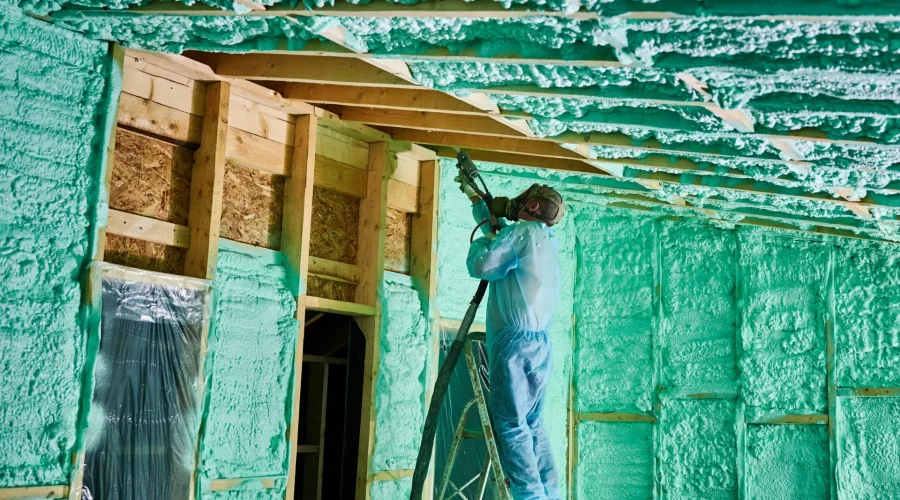
Male builder insulating wooden frame house. Man worker spraying polyurethane foam inside of future cottage, standing on ladder, using plural component gun. Construction and insulation concept.

Illinois winters are unforgiving. When temperatures drop well below freezing in Oak Lawn, IL and the surrounding Chicagoland area, your home’s insulation is the first line of defense between a warm, comfortable interior and a heating system that works overtime just to keep up. The problem is that most homeowners don’t realize their insulation is underperforming until they’re already feeling the effects — and paying for them every month.

At Swiftguard Enterprises LLC, we help homeowners identify insulation gaps before winter sets in. Here are the most common warning signs that your home may need an insulation upgrade.


Your Energy Bills Keep Climbing

One of the clearest signs of inadequate insulation is a heating bill that seems higher than it should be — especially when compared to previous winters or to neighbors with similar-sized homes.

  • If your furnace is running constantly but your home still feels cold, heat is likely escaping through under-insulated walls, attic, or floors
  • A sudden spike in energy costs without a change in usage habits often points to insulation that has settled, degraded, or was never sufficient to begin with
  • Homes in Oak Lawn, IL should be insulated to meet Department of Energy recommendations for Climate Zone 5 — many older homes fall well short of current standards

If your energy bills have been trending upward without explanation, an insulation assessment is one of the first things worth checking.


Certain Rooms Are Always Too Cold or Too Warm

When insulation is working properly, your home should maintain a relatively consistent temperature from room to room. Noticeable hot and cold spots are a strong indicator that insulation coverage is uneven or missing in certain areas.

  • Rooms above a garage or over a crawl space are especially prone to temperature extremes when those areas lack adequate insulation
  • Exterior walls that feel cold to the touch in winter suggest wall cavity insulation is insufficient
  • Upstairs rooms that are significantly warmer in summer and colder in winter often point to attic insulation issues
  • Finished basement spaces that never feel comfortable may lack proper floor or rim joist insulation

You Can Feel Drafts Inside Your Home

Drafts are a sign of air infiltration — cold outside air finding its way in through gaps, cracks, and poorly sealed areas. While drafts are sometimes a window or door sealing issue, they frequently point to insulation gaps as well.

  • Cold air coming in around electrical outlets and switch plates on exterior walls suggests missing or insufficient wall insulation
  • Drafts near baseboards or where walls meet the floor can indicate gaps in the building envelope
  • A cold, drafty attic hatch or pull-down stair is one of the most common — and overlooked — sources of heat loss in Illinois homes
  • Spray foam insulation addresses both insulation and air sealing simultaneously, making it particularly effective for eliminating drafts

Ice Dams Are Forming on Your Roofline

Ice dams are one of the most visible and damaging consequences of poor attic insulation in cold climates. They form when heat escaping from the living space warms the roof deck, melting snow that then refreezes at the colder eaves and gutters.

  • Large icicles hanging from your roofline in winter are often an early sign of ice dam formation
  • Ice dams can force water back up under shingles, causing leaks, water damage, and mold inside the home
  • The root cause is almost always a combination of inadequate attic insulation and poor attic ventilation allowing heat to escape
  • Addressing attic insulation is the most effective long-term solution to prevent ice dam formation — and it protects both your roof and your gutters

Your Attic Is Too Warm in Winter

Many homeowners are surprised to learn that a warm attic in winter is actually a problem. A well-insulated, properly ventilated attic should stay close to the outdoor temperature — not warm up from the living space below.

  • If you can go into your attic on a cold day and it feels noticeably warmer than outside, heat is escaping through the ceiling below
  • Frost or condensation on attic rafters or roof sheathing is a sign of warm, moist air rising from the living space — a clear insulation and air sealing problem
  • Inadequate attic insulation is one of the most common findings in older Oak Lawn homes, many of which were built before current energy codes

Your Home Was Built Before 1980

Older homes were built to much lower insulation standards than what is recommended today. If your home hasn’t had an insulation upgrade since it was built, there’s a strong chance it’s under-insulated by current standards.

  • Homes built in the 1960s and 1970s often have little to no wall insulation and minimal attic coverage
  • Insulation materials from that era, such as vermiculite or early fiberglass batts, may have settled, degraded, or in some cases contain hazardous materials
  • An insulation assessment can determine exactly what’s in your home now and what upgrades would have the biggest impact on comfort and energy efficiency

You Notice Moisture or Mold in the Attic or Walls

Moisture problems and insulation problems often go hand in hand. When warm air from the living space reaches cold surfaces in the attic or walls, condensation forms — and over time, that moisture creates the conditions for mold growth.

  • Water stains on ceilings or interior walls near the roofline can indicate both a roof leak and an insulation/ventilation issue
  • Musty odors in the attic or upper floors may point to condensation-related mold driven by heat escaping through insufficient insulation
  • Closed-cell spray foam’s built-in vapor barrier makes it particularly effective at preventing moisture-related issues in attics and crawl spaces

Don’t Wait Until the Cold Sets In

The best time to address insulation is before winter arrives — not in the middle of it. Getting an assessment done in late summer or fall gives you time to make upgrades before your heating system is under full load and before ice dam season begins.

At Swiftguard Enterprises LLC, we provide professional insulation assessments and installation throughout Oak Lawn, IL and up to 60 miles surrounding the area. Whether your home needs blown-in fiberglass, spray foam, or a combination of both, we’ll recommend the right solution for your home and your budget.
Share This post:

We don’t just build and repair — we protect what matters most.