
How to Tell If Your Attic Insulation Was Installed Correctly
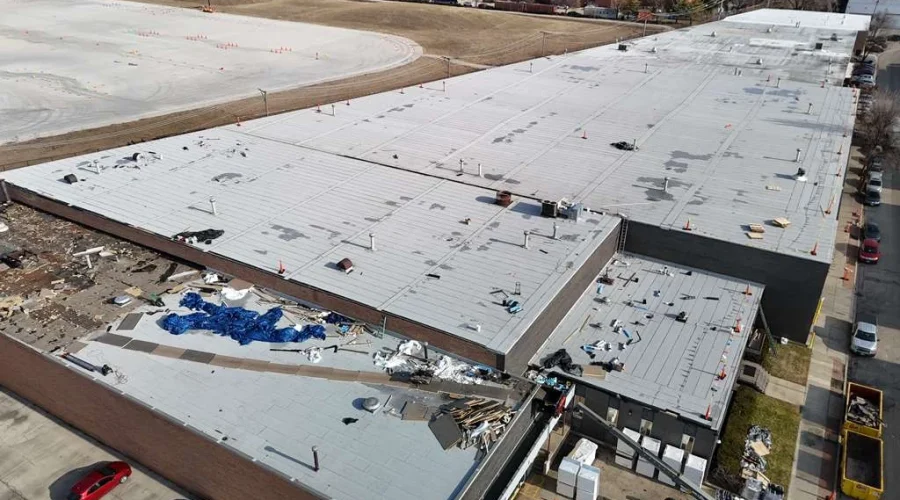
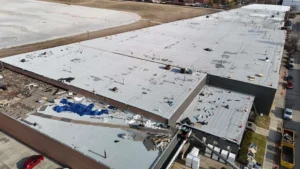
When a flat roof starts showing signs of wear, property owners and facility managers face a critical decision: repair the damage and extend the roof’s life, or invest in a full replacement that resets the clock entirely. Making the wrong call in either direction is costly — premature replacement wastes capital, while repeated patchwork repairs on a failing roof leads to ongoing leaks, interior damage, and a larger bill down the road.
At Swiftguard Enterprises LLC, we assess flat roofs for commercial and industrial properties throughout Oak Lawn, IL and the greater Chicagoland area. Here’s how to think through the repair-vs.-replacement decision for your property.
Flat roofs — whether membrane systems like TPO or EPDM, or traditional built-up roofing — don’t fail all at once. Deterioration is gradual and often starts in places that aren’t easy to spot from the ground. Standing water, UV exposure, membrane shrinkage, and flashing failures at penetrations and edges are the most common culprits in Illinois’s climate, where freeze-thaw cycles put constant stress on roofing materials through the winter months.
The key to making a smart decision is knowing whether the damage you’re seeing is isolated and structural, or a symptom of a system that’s reached the end of its useful life.
Repair is the right call when the problem is localized and the rest of the membrane is still performing well. Situations where repair is appropriate include:
Recent storm or impact damage
Isolated blistering or bubbling
Flashing failures at penetrations
Roof age under 10–15 years
Replacement becomes the right answer when repairs are no longer addressing the root problem — when you’re patching a system that’s failing systemically. Signs that point toward replacement include:
Multiple active leaks in different areas
Widespread membrane deterioration
Saturated insulation beneath the membrane
Roof age at or near end of life
Recurring ponding water problems
One of the most common mistakes commercial property owners make is comparing the upfront cost of a repair against the upfront cost of a replacement without accounting for the total cost of ownership.
A repair on a failing roof might cost a fraction of replacement — but if the same roof requires three additional emergency repairs over the next two years, each with associated interior damage, the math changes significantly. A quality flat roof replacement with a manufacturer warranty protects the building for 15–30 years with predictable maintenance costs.
When evaluating the decision, ask:
Illinois winters create specific challenges for flat roofing systems that don’t apply equally in warmer climates. Freeze-thaw cycling causes membrane seams to expand and contract repeatedly, accelerating adhesive failure and edge separation. Snow load adds weight stress on older decking. And when spring melt comes quickly, standing water from drainage issues becomes an immediate problem.
These conditions mean that a flat roof showing moderate wear in Illinois will typically deteriorate faster than the same roof in a southern climate — a factor that should weigh in favor of replacement when the system is already in the second half of its useful life.
The repair-vs.-replacement decision for a commercial flat roof should never be made based on a visual inspection alone. A thorough assessment includes:
At Swiftguard Enterprises LLC, we provide comprehensive flat roof assessments for commercial and industrial properties throughout Oak Lawn, IL and up to 60 miles surrounding the area. We give property owners a clear picture of their roof’s condition and an honest recommendation — whether that means a targeted repair or a full replacement.
Ready to get started?
Contact Swiftguard Enterprises LLC today and take the guesswork out of planning for your next roof.

With 15 years of experience, we are committed to delivering high-quality workmanship, dependable service, and long-lasting results.
We don’t just build and repair — we protect what matters most.