Roof design plays a crucial role in how well a structure performs over time. Beyond aesthetics, the shape, slope, and materials used in a roofing system directly impact its durability, resistance to weather, and overall efficiency.
Choosing the right roof design can significantly extend its lifespan and improve the protection of your property.
Roof Slope and Water Drainage Efficiency
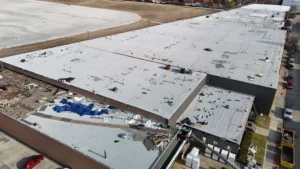
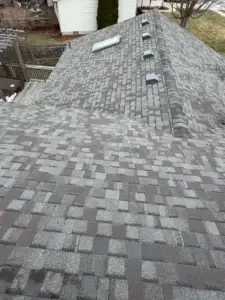
The slope of a roof is one of the most important factors in its performance. Steeper roofs allow water, snow, and debris to slide off more easily, reducing the risk of accumulation and leaks. On the other hand, low-slope roofs require specialized materials and drainage systems to prevent water pooling.
- Steep slopes improve water runoff and reduce moisture-related damage.
- Flat or low-slope roofs need proper drainage to avoid long-term issues.
A well-designed slope ensures your roof handles weather conditions effectively.
Material Compatibility with Design
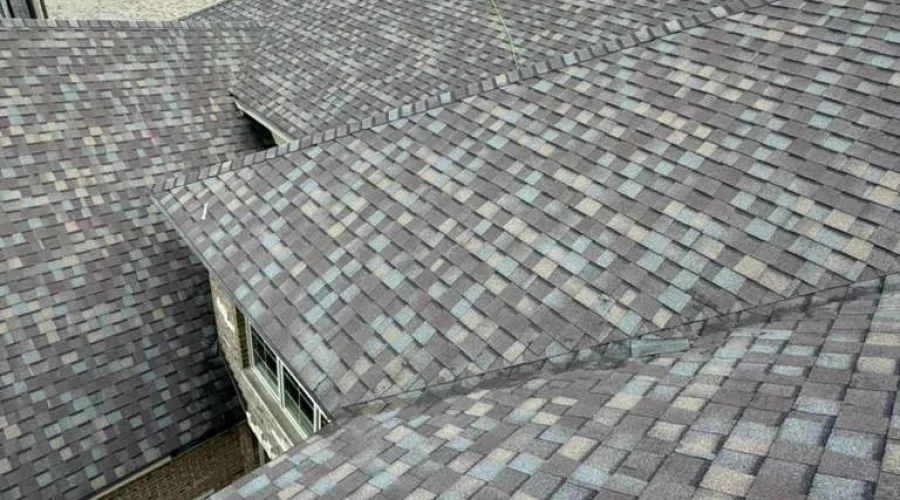
Not all roofing materials work well with every design. Certain materials perform better depending on the roof’s structure and pitch. For example, asphalt shingles are ideal for sloped roofs, while membrane systems are better suited for flat surfaces.
- Using the wrong material for a specific design can reduce durability.
- Proper material selection enhances performance and longevity.
Matching materials with the roof design is essential for long-term success.
Impact of Roof Shape on Wind Resistance
Roof shape greatly influences how a structure withstands strong winds. Designs such as hip roofs tend to perform better in high-wind areas because of their aerodynamic structure, while gable roofs may be more vulnerable if not properly reinforced.
- Aerodynamic designs help reduce wind pressure on the structure.
- Poorly designed roofs are more likely to suffer storm damage.
A well-planned roof shape increases resilience against extreme weather.
Ventilation and Temperature Control
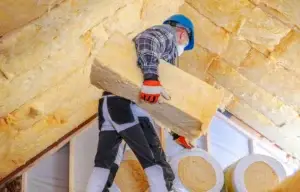
Roof design also affects airflow and ventilation within the attic space. Proper ventilation helps regulate temperature, prevents moisture buildup, and reduces stress on roofing materials.
- Good ventilation extends the lifespan of roofing components.
- Poor airflow can lead to heat buildup and moisture damage.
Integrating ventilation into the design improves both performance and energy efficiency.
Why Professional Planning Matters
Designing a roof requires more than just choosing a style. Professional planning ensures that every element—slope, materials, ventilation, and structure—works together to deliver maximum durability and performance.
Working with experienced contractors helps prevent costly mistakes and ensures your roof is built to last.
Final Thoughts
Roof design is a key factor in determining how long your roof will last and how well it performs under different conditions. A properly designed roofing system not only enhances durability but also improves energy efficiency and overall protection.
Investing in the right design today can save you from major repairs in the future.